In the competitive real estate market, 47% of home buyers start their search online. Without a strong SEO presence, your listings remain invisible to the buyers and sellers actively searching for properties in your market. This comprehensive guide reveals the local SEO strategies, listing optimization techniques, and lead nurturing systems that top-performing real estate agents use to dominate their markets.
📋 Table of Contents
Why SEO Matters for Real Estate in 2025
The real estate industry has undergone a digital transformation. Consider these statistics:
The Competitive Advantage of SEO
Real estate is inherently local, making local SEO your most powerful marketing tool. When someone searches "homes for sale in [your city]" or "real estate agent near me," you want to appear in the top results. Here's why:
- High Intent Traffic: People searching for real estate terms are actively looking to buy or sell
- Long-Term ROI: Unlike paid ads, SEO compounds over time
- Trust Building: Organic rankings signal authority and credibility
- 24/7 Lead Generation: Your website works while you sleep
Local SEO Ranking Factors for Real Estate
Local SEO success in real estate depends on multiple interconnected factors. Understanding these ranking signals helps you prioritize your optimization efforts effectively.
1. Google Business Profile Optimization
Your Google Business Profile (GBP) is the cornerstone of local real estate SEO. It directly impacts your visibility in Google Maps and local pack results.
GBP Optimization Checklist:
- ✅ Complete all profile fields with accurate information
- ✅ Select "Real Estate Agency" or "Real Estate Agent" as primary category
- ✅ Add high-quality photos of your office, team, and listings
- ✅ Post weekly updates about new listings and market insights
- ✅ Respond to all reviews within 24 hours
- ✅ Add service areas covering your target neighborhoods
- ✅ Include UTM-tracked website links
- ✅ Enable messaging for direct client communication
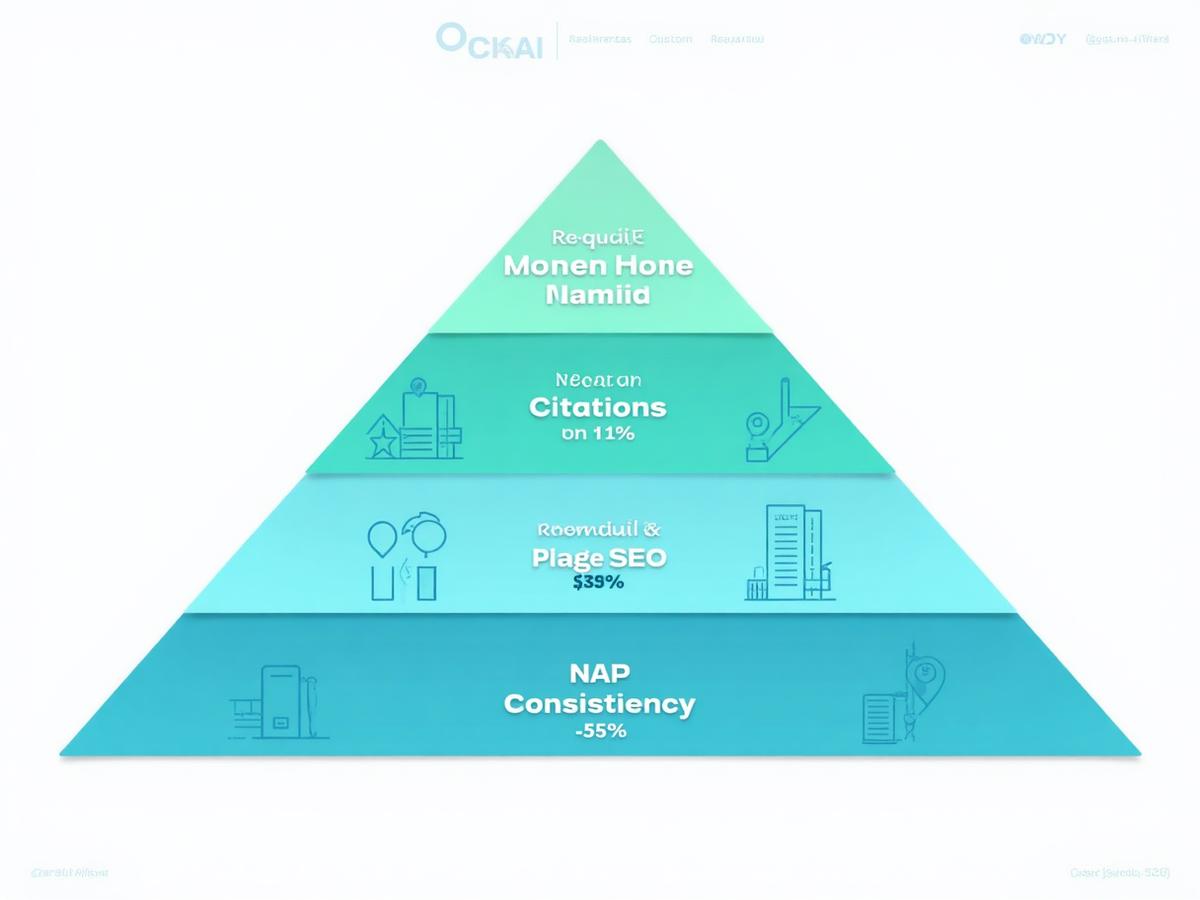
2. NAP Consistency
NAP (Name, Address, Phone) consistency across the web signals legitimacy to search engines. Inconsistent information confuses both search engines and potential clients.
📍 Citation Sources for Real Estate:
- Zillow, Realtor.com, Trulia, Redfin
- Local Chamber of Commerce
- Yelp, Facebook, LinkedIn
- Industry associations (NAR, state associations)
- Local business directories
3. Reviews and Reputation Management
Reviews influence both rankings and conversion rates. Real estate clients heavily research agents before making contact.
"88% of consumers trust online reviews as much as personal recommendations. For real estate agents, positive reviews can be the deciding factor in a client's choice."
— National Association of Realtors
Review Generation Strategy:
- Request reviews at closing when satisfaction is highest
- Send personalized follow-up emails with direct review links
- Respond professionally to all reviews, positive and negative
- Showcase reviews on your website and social media
- Address negative feedback promptly and professionally
Property Listing Optimization
Every property listing is an SEO opportunity. Optimized listings attract more qualified traffic and generate better leads.
Keyword Strategy for Listings
Effective property listings incorporate keywords naturally while providing valuable information to potential buyers.
| Keyword Type | Examples | Search Volume |
|---|---|---|
| Location-Based | "homes for sale in [neighborhood]" | High |
| Property Type | "3 bedroom house [city]" | Medium-High |
| Feature-Specific | "homes with pool [area]" | Medium |
| Price Range | "homes under $500k [city]" | Medium |
| Lifestyle | "family-friendly neighborhoods [city]" | Low-Medium |
Listing Description Best Practices
Writing SEO-Friendly Listing Descriptions:
- Lead with location: Start with neighborhood and city name
- Highlight unique features: Pool, view, recent renovations
- Include specifications: Bedrooms, bathrooms, square footage
- Describe the lifestyle: What's it like to live there?
- Add nearby amenities: Schools, parks, shopping, transit
- Use natural language: Avoid keyword stuffing
Visual Content Optimization
Images are crucial for real estate listings. Proper optimization improves both SEO and user experience.
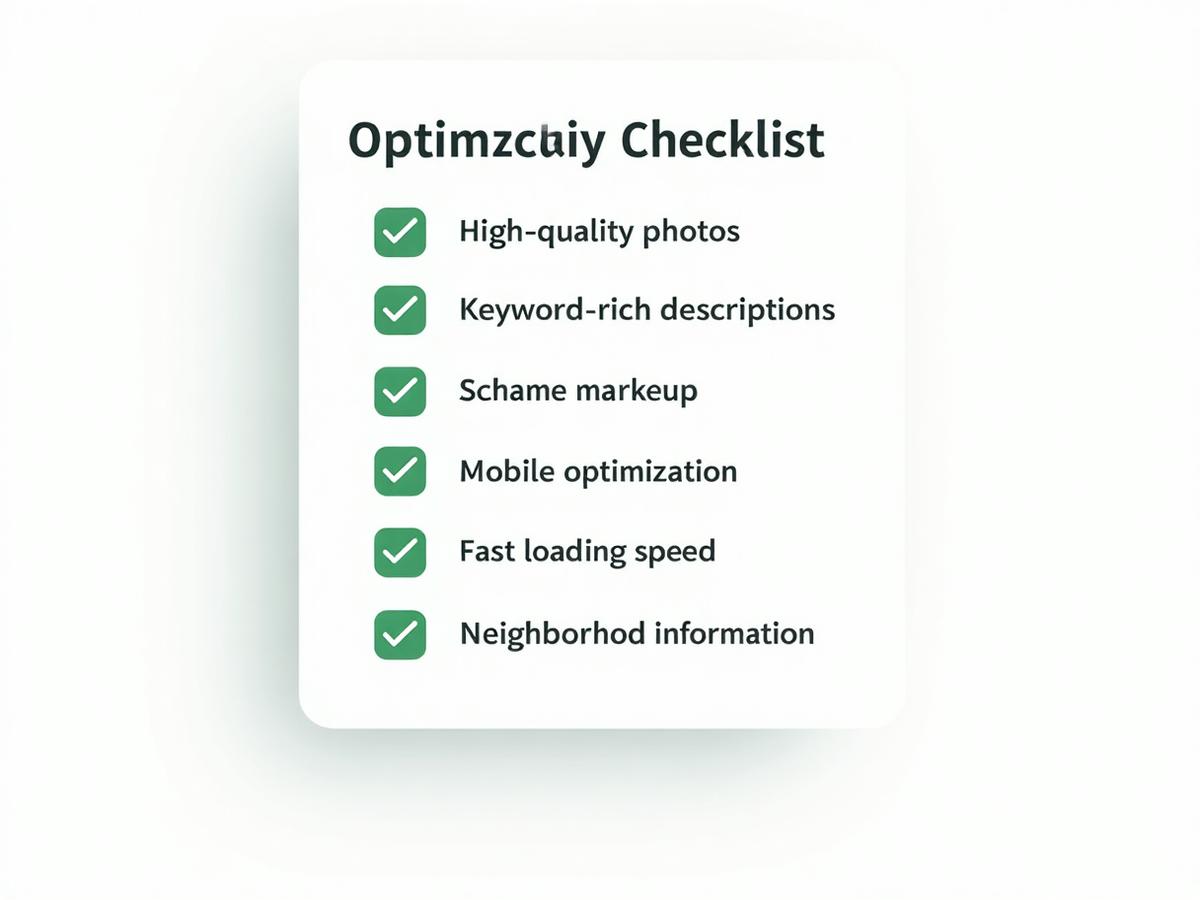
💡 Image SEO Tips:
- Use descriptive filenames: "modern-kitchen-downtown-austin-condo.jpg"
- Add alt text with property details and location
- Compress images for fast loading (aim for under 200KB)
- Include virtual tours and video walkthroughs
- Add image schema markup for rich snippets
Real Estate Lead Nurturing Funnel
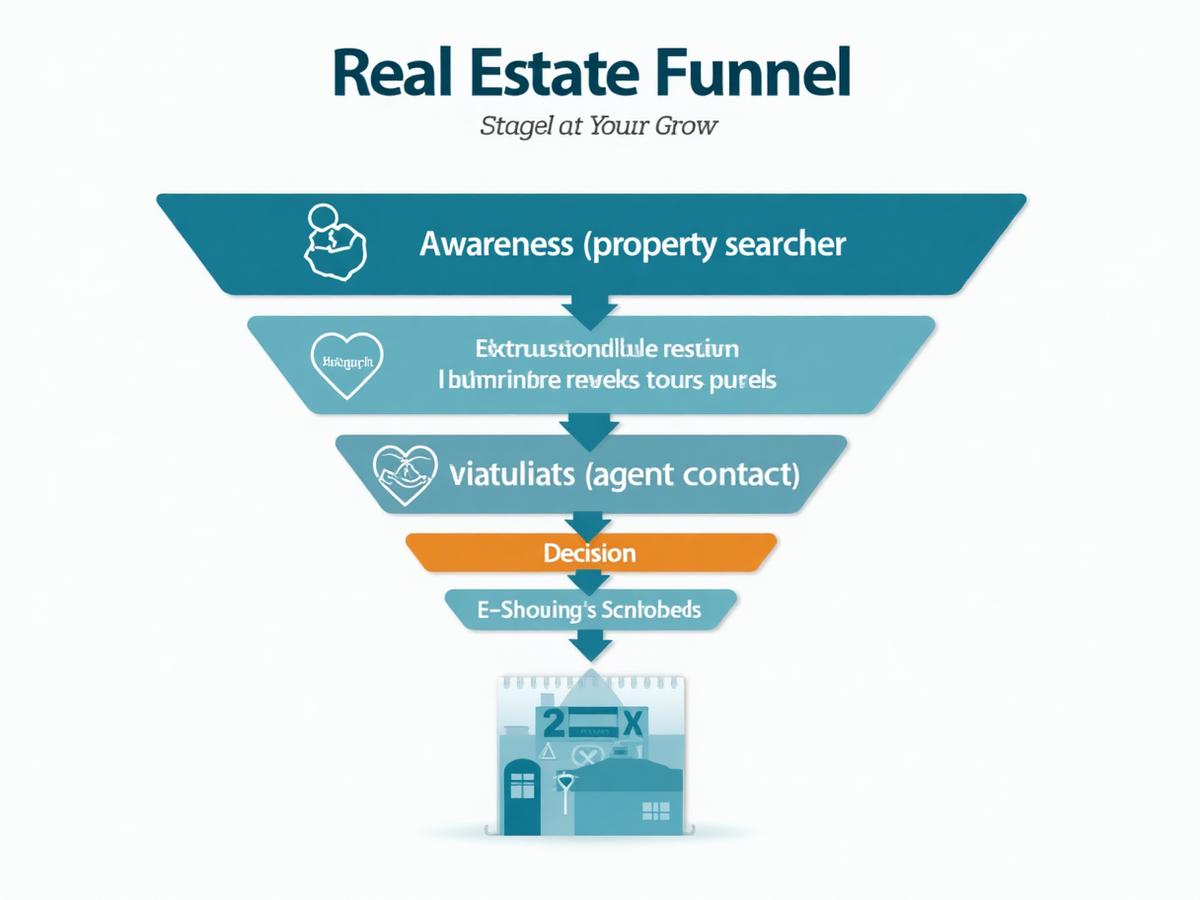
SEO drives traffic, but your lead nurturing funnel converts visitors into clients. Understanding the buyer's journey helps you create content and touchpoints that guide prospects toward conversion.
Funnel Stage Strategies
🔍 Awareness Stage
Goal: Capture attention of potential buyers/sellers
- Market reports and neighborhood guides
- Blog posts about home buying/selling tips
- Social media content showcasing listings
- Educational videos about the process
❤️ Interest Stage
Goal: Engage and build relationship
- Property alerts and saved searches
- Email newsletters with market updates
- Virtual tours and video walkthroughs
- Free home valuation tools
🤔 Consideration Stage
Goal: Position as the preferred agent
- Personal consultations
- Comparative market analysis
- Client testimonials and case studies
- Detailed neighborhood expertise
✅ Decision Stage
Goal: Convert to client
- Property showings
- Offer preparation assistance
- Transaction guidance
- Post-sale follow-up
Lead Capture Best Practices
Strategic lead capture forms maximize conversion while minimizing friction:
High-Converting Lead Capture Elements:
- Progressive profiling: Ask for minimal info initially, gather more over time
- Value exchange: Offer something valuable (guide, report) in exchange for contact info
- Multiple touchpoints: Place forms on listing pages, blog posts, and landing pages
- Mobile optimization: Ensure forms work perfectly on smartphones
- Speed to lead: Respond to inquiries within 5 minutes for best conversion
Content Strategy for Real Estate Agents
Content marketing establishes authority and drives organic traffic. A strategic approach focuses on topics that attract qualified leads.
Content Pillars for Real Estate
🏘️ Neighborhood Guides
In-depth guides to local neighborhoods covering schools, amenities, demographics, and market trends.
Example: "Complete Guide to Living in [Neighborhood]: Schools, Safety & Home Values"
📊 Market Reports
Monthly or quarterly market updates with data, trends, and predictions.
Example: "[City] Real Estate Market Update: What Buyers & Sellers Need to Know"
🎓 Educational Content
How-to guides for buyers and sellers at every stage of the process.
Example: "First-Time Home Buyer's Checklist: 10 Steps to Your Dream Home"
🏡 Lifestyle Content
Content about living in the area, local events, and community features.
Example: "Best Family-Friendly Activities in [Area] This Summer"
Technical SEO Essentials
Technical SEO ensures search engines can crawl, index, and understand your website effectively.
Website Speed Optimization
Real estate websites often suffer from slow loading times due to image-heavy listings. Speed directly impacts both rankings and user experience.
Speed Optimization Checklist:
- ✅ Compress all property images (WebP format recommended)
- ✅ Implement lazy loading for listing galleries
- ✅ Use a Content Delivery Network (CDN)
- ✅ Minimize JavaScript and CSS files
- ✅ Enable browser caching
- ✅ Target Core Web Vitals: LCP < 2.5s, FID < 100ms, CLS < 0.1
Schema Markup for Real Estate
Structured data helps search engines understand your content and can result in rich snippets in search results.
Real Estate Listing Schema Example:
{
  "@context": "https://schema.org",
  "@type": "RealEstateListing",
  "name": "Beautiful 3BR Home in Downtown Austin",
  "description": "Stunning modern home with pool...",
  "url": "https://example.com/listing/123",
  "image": "https://example.com/images/property.jpg",
  "offers": {
    "@type": "Offer",
    "price": "450000",
    "priceCurrency": "USD"
  },
  "address": {
    "@type": "PostalAddress",
    "streetAddress": "123 Main St",
    "addressLocality": "Austin",
    "addressRegion": "TX"
  }
}
Measuring SEO Success
Track these key performance indicators to measure and optimize your real estate SEO efforts:
🎯 Organic Traffic
Monitor visitors from search engines to your website
Target: 10-20% month-over-month growth
📍 Local Pack Visibility
Track rankings in Google's local 3-pack for key terms
Target: Top 3 for "[city] real estate agent"
📞 Lead Volume
Count form submissions, calls, and email inquiries
Target: 15-25% increase quarterly
💰 Cost Per Lead
Calculate SEO investment divided by leads generated
Target: 50% lower than paid advertising CPL
Next Steps: Implementing Your Real Estate SEO Strategy
Success in real estate SEO requires consistent effort across multiple channels. Start with these immediate actions:
30-Day Action Plan:
- Week 1: Audit and optimize your Google Business Profile
- Week 2: Fix NAP inconsistencies across all citations
- Week 3: Optimize your top 10 property listings
- Week 4: Create your first neighborhood guide
Ready to Dominate Your Local Real Estate Market?
Our real estate SEO specialists have helped agents and brokerages across the country increase their organic leads by an average of 340%. Let's discuss your market and create a customized strategy.
Get Your Free Real Estate SEO Audit