Why Travel SEO Matters More Than Ever
The travel industry has undergone a seismic shift in how consumers discover and book experiences. With 87% of travelers starting their journey on search engines, your visibility in organic search directly correlates with bookings, revenue, and brand awareness. Unlike paid advertising that stops delivering the moment you pause spending, travel SEO builds compounding value—creating a sustainable pipeline of high-intent visitors ready to explore and book.
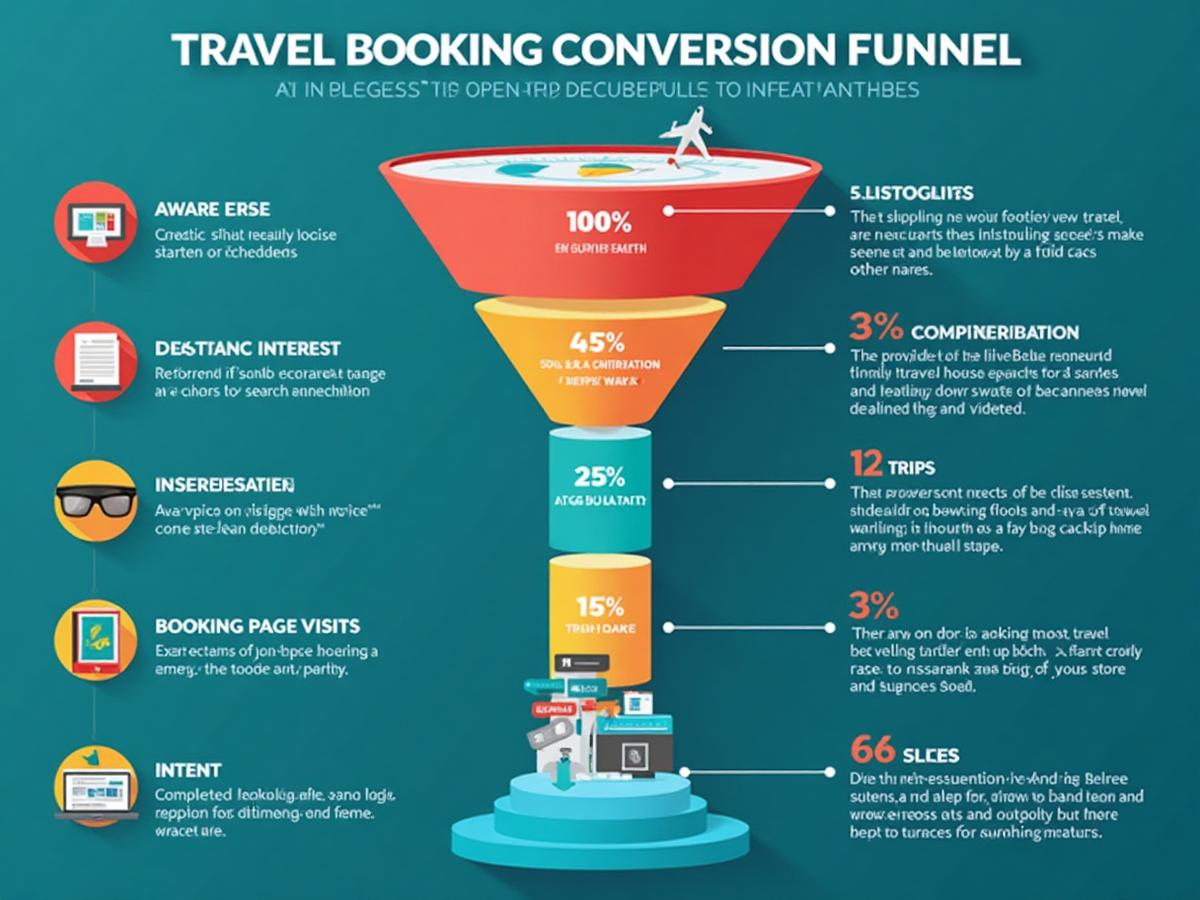
The travel vertical presents unique SEO challenges: intense competition, seasonal fluctuations, complex user journeys spanning weeks or months, and the need to compete with OTAs (Online Travel Agencies) that dominate search results. This guide provides actionable strategies to overcome these obstacles and capture qualified traffic that converts.
Understanding the Travel Customer Journey
Unlike impulse purchases, travel decisions unfold across multiple stages—each presenting distinct SEO opportunities. Understanding this journey allows you to create content that captures travelers at every touchpoint, nurturing them from initial inspiration to final booking.
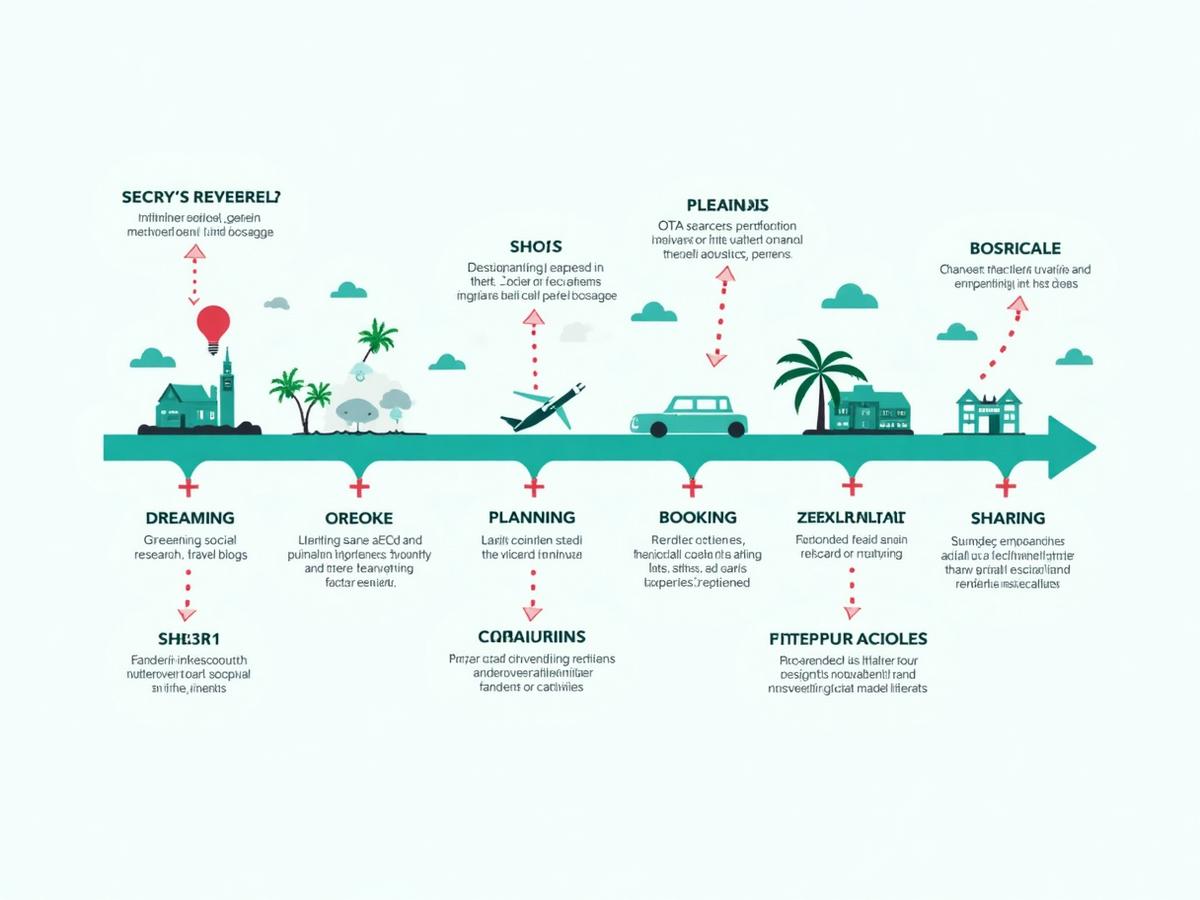
Stage 1: Dreaming (Awareness)
Travelers browse inspirational content without specific plans. They search for "best beach destinations," "unique honeymoon ideas," or "adventure travel destinations 2025." Content targeting this stage should inspire and educate while subtly positioning your offerings.
Content types that work:
- Destination guides and "best of" listicles
- Travel inspiration galleries with stunning imagery
- Seasonal travel recommendations
- Bucket list and trending destination content
Stage 2: Planning (Consideration)
Intent sharpens as travelers research specific destinations. Searches become more detailed: "things to do in Bali with kids," "best time to visit Iceland," or "Maldives vs Seychelles honeymoon." This stage demands comprehensive, comparison-focused content.
Content types that work:
- Detailed itineraries and day-by-day guides
- Comparison content (destination A vs destination B)
- Practical guides (visa requirements, packing lists, best seasons)
- Budget breakdowns and cost guides
Stage 3: Booking (Decision)
Ready-to-book travelers use transactional keywords: "book luxury resort Santorini," "cheap flights to Tokyo December," or "all-inclusive Caribbean resort deals." Your product pages and booking funnels must be optimized to capture this high-value traffic.
Stage 4: Experiencing (In-Trip)
Mobile-focused travelers search for local information: "restaurants near me," "day trips from Barcelona," or "best sunset viewpoints in Phuket." Local SEO and mobile optimization become critical.
Stage 5: Sharing (Post-Trip)
Satisfied travelers share experiences and leave reviews. Encouraging user-generated content and managing your review presence supports future SEO efforts and builds social proof.
Travel Keyword Strategy: Building Your Content Foundation
Effective travel SEO starts with strategic keyword research that maps to the customer journey. The travel vertical features distinct keyword categories, each requiring tailored content approaches.
Informational Keywords (Top of Funnel)
These broad queries attract travelers in the dreaming phase. While competition is fierce for head terms, long-tail variations offer opportunities:
Example Informational Keywords:
- • "best places to visit in Europe in spring"
- • "family-friendly Caribbean islands"
- • "solo female travel destinations 2025"
- • "romantic getaways within 3 hours of [city]"
Comparison Keywords (Middle of Funnel)
Travelers actively evaluating options use comparison queries. These keywords signal higher intent and often convert at impressive rates:
Example Comparison Keywords:
- • "Bali vs Thailand for honeymoon"
- • "best all-inclusive resorts in Mexico for families"
- • "hotel vs Airbnb in Paris"
- • "cruise vs land tour for Alaska"
Transactional Keywords (Bottom of Funnel)
High-intent searchers ready to book use specific, action-oriented queries. These deserve your most optimized landing pages:
Example Transactional Keywords:
- • "book safari tour Kenya August 2025"
- • "luxury hotel Maldives water villa booking"
- • "cheap flights LAX to Tokyo round trip"
- • "[your brand] discount code"
Local SEO for Travel Businesses
For hotels, tour operators, restaurants, and destination businesses, local SEO directly impacts visibility when travelers search for experiences in your area. With 46% of all Google searches having local intent, optimizing for local search is non-negotiable.
Google Business Profile Optimization
Your Google Business Profile (GBP) is often the first impression travelers have of your business. Optimize it thoroughly:
- Complete every field: Business hours, attributes, amenities, and services
- Add high-quality photos: Upload 50+ images showing rooms, facilities, views, and experiences
- Respond to all reviews: Address both positive and negative feedback professionally
- Post regularly: Share updates, offers, and local events through Google Posts
- Enable messaging: Allow direct communication with potential guests
Location-Specific Landing Pages
Create dedicated pages for each location you serve, optimized for "[service] in [location]" searches. These pages should include:
- Location-specific content and imagery
- Embedded Google Maps
- Local schema markup (LocalBusiness, Hotel, TouristAttraction)
- Customer reviews from that location
- Nearby attractions and points of interest
Seasonal SEO Strategy for Travel
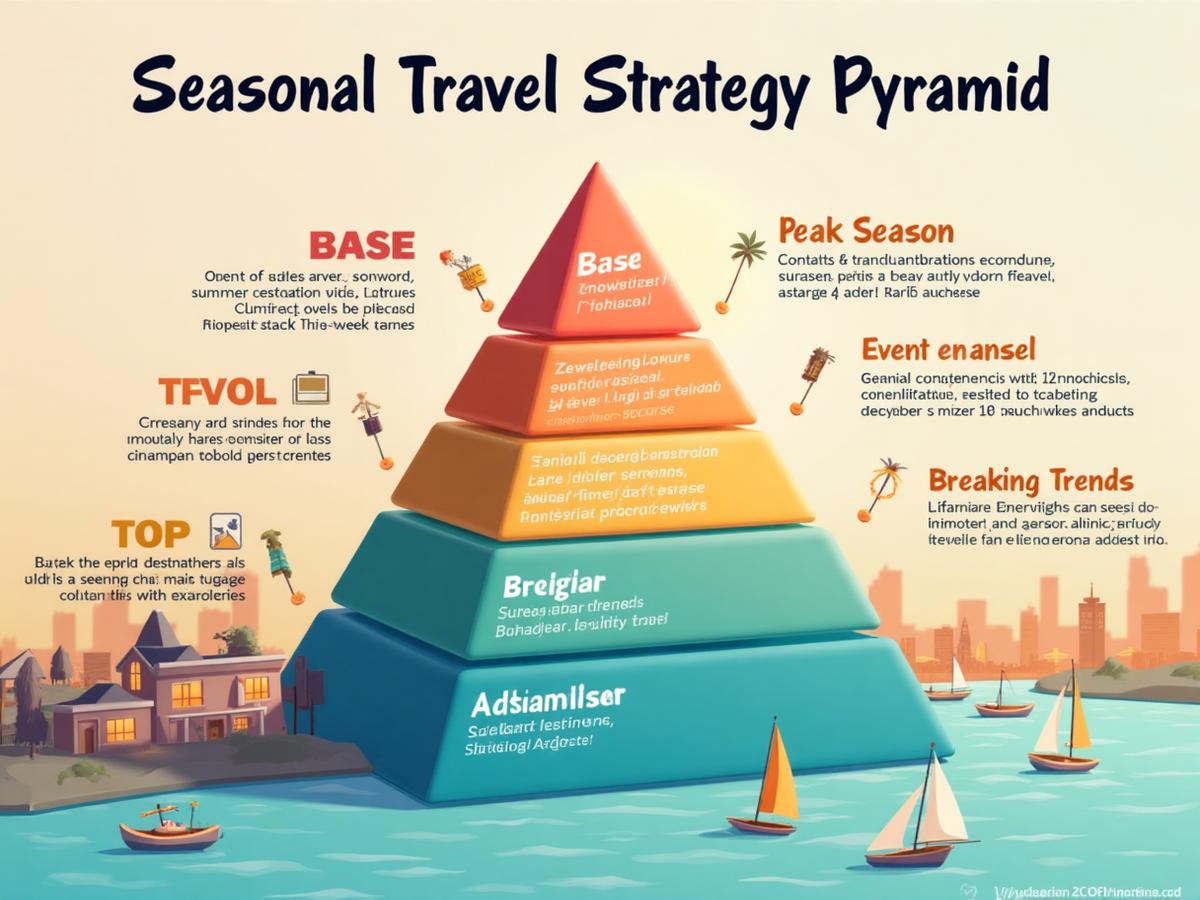
Travel demand fluctuates dramatically by season, creating opportunities for proactive content planning. The key is publishing seasonal content 3-6 months before peak search volume.
Seasonal Content Calendar Framework
| Season | Publish By | Content Focus |
|---|---|---|
| Summer Vacations | January-February | Beach destinations, family trips, Europe tours |
| Fall Foliage | May-June | New England drives, wine country, shoulder season |
| Winter Holidays | August-September | Ski resorts, tropical escapes, Christmas markets |
| Spring Break | November-December | Beach getaways, cruise deals, adventure travel |
Technical SEO for Travel Websites
Travel websites often feature complex architectures with thousands of destination, property, and experience pages. Technical SEO ensures search engines can efficiently crawl, understand, and rank this content.
Site Architecture Best Practices
- Logical hierarchy: Organize content by destination → property type → specific listings
- Internal linking: Connect related destinations, experiences, and blog content
- Faceted navigation: Implement canonical tags to prevent duplicate content from filters
- XML sitemaps: Create separate sitemaps for destinations, properties, and blog content
Page Speed Optimization
Travel sites are image-heavy by nature. Optimize for Core Web Vitals:
- Use next-gen formats (WebP, AVIF) for all images
- Implement lazy loading for below-fold imagery
- Leverage CDN distribution for global visitors
- Minimize render-blocking JavaScript and CSS
Mobile-First Design
With 46% of travelers booking on mobile and even more researching, mobile optimization is critical:
- Responsive design that adapts to all screen sizes
- Touch-friendly booking interfaces and CTAs
- Accelerated Mobile Pages (AMP) for blog content
- Click-to-call functionality for phone bookings
Schema Markup for Travel Websites
Structured data helps search engines understand your content and enables rich results that improve click-through rates. Essential travel schema types include:
Priority Schema Types for Travel:
- Hotel: Property details, amenities, star rating, price range
- TouristAttraction: Landmarks, museums, natural wonders
- TouristTrip: Tour packages with itineraries and pricing
- Event: Festivals, shows, and seasonal events
- Review/AggregateRating: Display star ratings in search results
- FAQPage: Common traveler questions and answers
- BreadcrumbList: Navigation path for complex site hierarchies
Content Marketing for Travel SEO
Content is the engine that powers travel SEO. The most successful travel brands create content that inspires, informs, and converts—building topical authority that search engines reward with higher rankings.
Content Types That Drive Results
- Destination Guides: Comprehensive resources covering everything travelers need to know
- Itineraries: Day-by-day trip plans for various travel styles and budgets
- How-To Guides: Practical advice on visas, packing, budgeting, and logistics
- Comparison Posts: Objective evaluations helping travelers choose between options
- Seasonal Content: Time-sensitive guides for holidays, festivals, and events
- User-Generated Content: Guest reviews, photos, and testimonials
E-E-A-T for Travel Content
Google prioritizes Experience, Expertise, Authoritativeness, and Trustworthiness—especially for YMYL (Your Money, Your Life) topics like travel safety and health. Demonstrate E-E-A-T by:
- Having content written or reviewed by travel experts
- Including first-hand experience and original photography
- Citing authoritative sources (government travel advisories, tourism boards)
- Maintaining accurate, updated information
- Displaying clear contact information and business credentials
Measuring Travel SEO Success
Track these KPIs to evaluate your travel SEO performance and identify optimization opportunities:
Awareness Metrics
- Organic traffic growth (overall and by destination/category)
- Keyword rankings for priority terms
- Impressions and click-through rate in Search Console
- Share of voice vs. competitors
Engagement Metrics
- Time on page for destination content
- Pages per session and scroll depth
- Return visitor rate
- Newsletter subscriptions and content downloads
Conversion Metrics
- Organic booking revenue and conversion rate
- Cost per acquisition from organic channel
- Assisted conversions (organic touchpoints in booking path)
- Phone calls and inquiries from organic traffic
Competing With OTAs: Strategies for Direct Bookings
Online Travel Agencies (Expedia, Booking.com, TripAdvisor) dominate many travel SERPs with massive budgets and domain authority. However, independent travel businesses can compete by:
Owning Your Niche
- Target long-tail keywords OTAs ignore (specific experiences, local expertise)
- Create superior content for your specific destinations and offerings
- Build topical authority through comprehensive content clusters
Leveraging Your Unique Advantages
- First-hand experience and authentic local knowledge
- Exclusive offerings not available through OTAs
- Personalized service and direct communication
- Loyalty programs and direct booking incentives
Technical Differentiation
- Faster site speed and better mobile experience
- Rich schema markup for enhanced SERP presence
- Strong local SEO for destination-based searches
The Future of Travel SEO
Stay ahead by preparing for emerging trends:
- AI Overviews: Optimize for featured snippets and AI-generated search summaries
- Voice Search: 52% of travelers use voice assistants for travel research
- Visual Search: Google Lens and image-based discovery
- Zero-Click Searches: Provide value even when users do not visit your site
- Sustainability Keywords: Growing demand for eco-friendly travel options
Taking Action: Your Travel SEO Roadmap
Implement these strategies systematically to build sustainable organic visibility:
- Audit current performance: Identify technical issues, content gaps, and quick wins
- Map keyword opportunities: Research and prioritize based on intent and competition
- Optimize existing content: Update and enhance your best-performing pages
- Build content clusters: Create comprehensive destination and topic hubs
- Strengthen technical foundation: Fix crawl issues, improve speed, implement schema
- Develop local presence: Optimize GBP and build local citations
- Plan seasonal content: Get ahead of demand with proactive publishing
- Monitor and iterate: Track KPIs and continuously optimize based on data
Travel SEO is a marathon, not a sprint. The brands that commit to consistent, quality-focused optimization build sustainable competitive advantages that paid advertising alone cannot match. Start implementing these strategies today, and watch your organic bookings grow.