Healthcare organizations face a unique challenge: they must compete for visibility in search results while navigating strict privacy regulations that can result in devastating penalties for violations. This comprehensive guide shows you how to build an effective SEO strategy that keeps patient data protected and your practice compliant.
Understanding the HIPAA-SEO Intersection
The Health Insurance Portability and Accountability Act (HIPAA) protects patient health information (PHI), but it doesn't prohibit marketing. The key is understanding exactly what constitutes PHI and building your SEO strategy around compliant practices.
What Qualifies as Protected Health Information?
PHI includes any individually identifiable health information that relates to a patient's past, present, or future physical or mental health condition, healthcare services received, or payment for healthcare. This encompasses:
- Patient names, addresses, and contact information
- Medical record numbers and account numbers
- Dates of service, admission, or discharge
- Photographs or images that could identify a patient
- Any unique identifying characteristics
Safe SEO Strategies for Healthcare
Content Marketing Without Patient Data
Educational content remains your most powerful SEO tool. Focus on condition information, treatment explanations, and preventive care guidance that helps patients without referencing specific cases.
Compliant content examples:
- General health condition explanations and symptom guides
- Treatment option overviews and what patients can expect
- Preventive care recommendations and wellness tips
- Provider credentials and specialization information
- Facility amenities and service descriptions
Local SEO for Medical Practices
Google Business Profile optimization is essential for healthcare visibility, but requires careful attention to compliance:
- Never respond to reviews with patient information - Even confirming someone is a patient violates HIPAA
- Use generic response templates - Thank reviewers without acknowledging the care relationship
- Report fake reviews properly - Don't reveal patient status when disputing reviews
- Optimize business categories accurately - Use specific medical specialty categories
Technical SEO Compliance Considerations
Website Security Requirements
Healthcare websites must implement robust security measures that also benefit SEO:
- SSL/HTTPS encryption - Required for HIPAA and a Google ranking factor
- Secure patient portals - Keep login areas separate from public-facing content
- Privacy-focused analytics - Configure Google Analytics to exclude PHI collection
- Form security - Encrypt all contact and appointment request forms
Analytics Configuration for Compliance
Standard analytics tracking can inadvertently capture PHI. Configure your analytics properly:
- Exclude URL parameters that might contain patient identifiers
- Disable user ID tracking in patient portal areas
- Use aggregate data only for marketing insights
- Sign Business Associate Agreements with analytics vendors
Patient Reviews and Testimonials
The Review Compliance Challenge
Patient reviews are crucial for healthcare SEO, but obtaining and responding to them requires careful protocols:
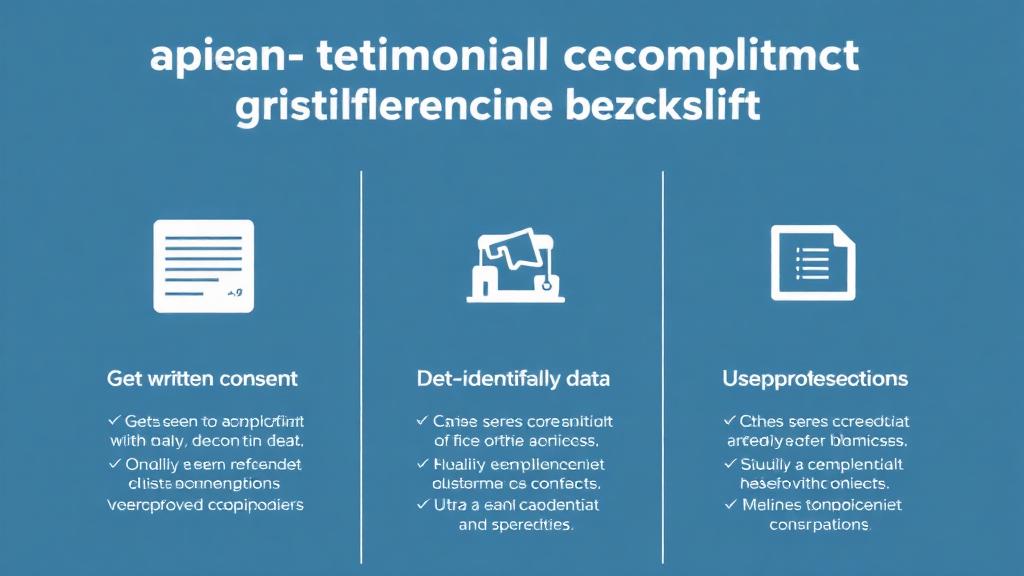
Compliant review solicitation:
- Never use patient lists to request reviews
- Provide general review links in waiting rooms or on receipts
- Let patients voluntarily choose to leave reviews
- Never offer incentives for reviews (FTC and HIPAA concerns)
Compliant review responses:
- Never confirm or deny the reviewer is a patient
- Use generic, professional response templates
- Invite conversation offline without acknowledging care
- Document your response protocols for compliance audits
Case Studies and Success Stories
Using Patient Stories Compliantly
Patient success stories can be powerful marketing tools when handled correctly:

- Obtain written HIPAA authorization - Use specific forms that detail exactly how information will be used
- Allow patient review before publication - Let patients approve final content
- Create revocation procedures - Patients can withdraw consent; have removal processes ready
- Use de-identified information when possible - Remove all 18 HIPAA identifiers for maximum safety
Schema Markup for Healthcare
Structured Data Best Practices
Healthcare schema markup improves visibility without compliance risks when implemented correctly:
- Physician schema - Include credentials, specialties, and accepted insurance
- MedicalOrganization schema - Highlight facility information and services
- FAQPage schema - Structure common patient questions and answers
- LocalBusiness schema - Optimize for local search with NAP consistency
Advertising Compliance
PPC and Remarketing Considerations
Paid search requires additional compliance attention:
- Avoid remarketing based on health conditions - Don't create audiences from condition-specific page visits
- Use broad targeting - Geographic and demographic targeting is safer than behavioral
- Review ad copy carefully - Avoid claims that could be considered medical advice
- Monitor landing page compliance - Ensure conversion tracking doesn't capture PHI
Building a Compliant SEO Team
Training and Protocols
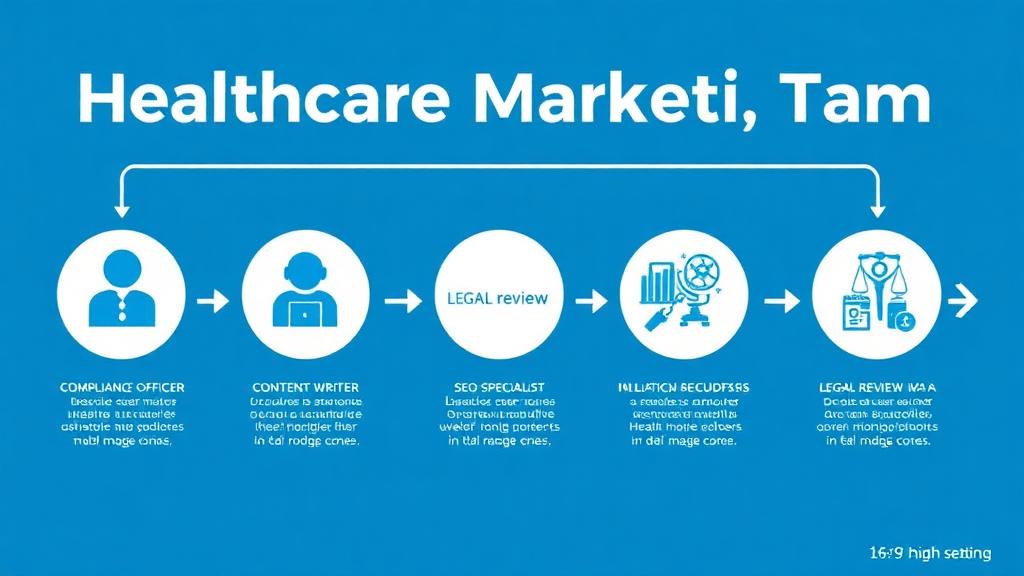
Everyone involved in your healthcare marketing must understand compliance requirements:
- Require HIPAA training for all marketing team members
- Create written protocols for content creation and review
- Establish approval workflows for patient-facing content
- Conduct regular compliance audits of marketing activities
- Document all processes for potential HHS investigations
Common HIPAA Marketing Violations to Avoid
Learn from others' mistakes to protect your organization:
- Responding to reviews with patient details - Even seemingly innocuous confirmations violate HIPAA
- Using patient photos without authorization - This includes staff photos that might show patients
- Sharing patient stories on social media - Verbal consent is insufficient; written authorization is required
- Email marketing to patient lists - Marketing emails require separate consent from treatment communications
- Tracking website visitors from patient portals - Keep marketing analytics separate from care platforms
The Competitive Advantage of Compliance
HIPAA compliance isn't just about avoiding penalties—it's a trust signal that can differentiate your practice:
- Prominently display your commitment to patient privacy
- Use secure, compliant technology as a marketing message
- Build reputation through ethical marketing practices
- Create patient confidence that extends to care decisions
Getting Started: Your Compliance Checklist
Begin your compliant healthcare SEO strategy with these steps:
- Audit current marketing activities - Identify potential compliance gaps
- Review vendor agreements - Ensure BAAs are in place with marketing technology providers
- Train your team - Provide HIPAA training specific to marketing activities
- Create content protocols - Establish approval workflows and compliance checklists
- Configure analytics properly - Exclude PHI from all tracking and reporting
- Document everything - Maintain records of compliance efforts and decisions
Healthcare SEO success doesn't require compromising patient privacy. By understanding the boundaries and building compliant processes, you can achieve excellent search visibility while maintaining the trust that's fundamental to patient relationships.